Restaurant Plumbing in Denver, CO
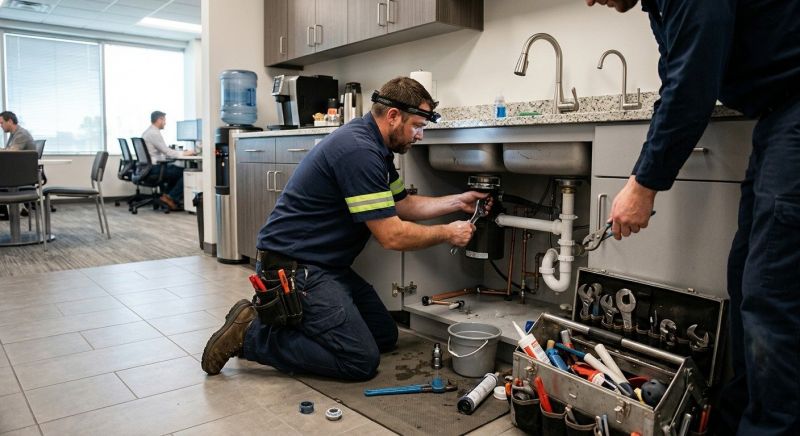
Restaurant plumbing services encompass a range of plumbing projects essential for maintaining proper function and hygiene in commercial dining spaces. These services typically include installation, repair, and maintenance of sinks, dishwashers, grease traps, water lines, and drainage systems. Property owners often request these services when upgrading existing plumbing, addressing leaks or clogs, or ensuring compliance with health and safety standards. Before requesting restaurant plumbing work, it’s helpful to understand the scope of the project, the condition of existing plumbing infrastructure, and any specific requirements related to food service operations.
Proper planning can help ensure smooth project execution and minimal disruption to daily operations. Property owners should consider the age and condition of current plumbing systems, identify specific fixtures or equipment needing attention, and clarify any local codes or health regulations that must be met. Clear communication about the intended use of the space and the types of appliances or fixtures involved can also facilitate a more efficient service process. Understanding these details can help ensure the plumbing work supports both the functionality and safety of the restaurant environment.
Many property owners in Denver, CO look into Restaurant Plumbing for repairs, replacements, upgrades, and appearance-related improvements.
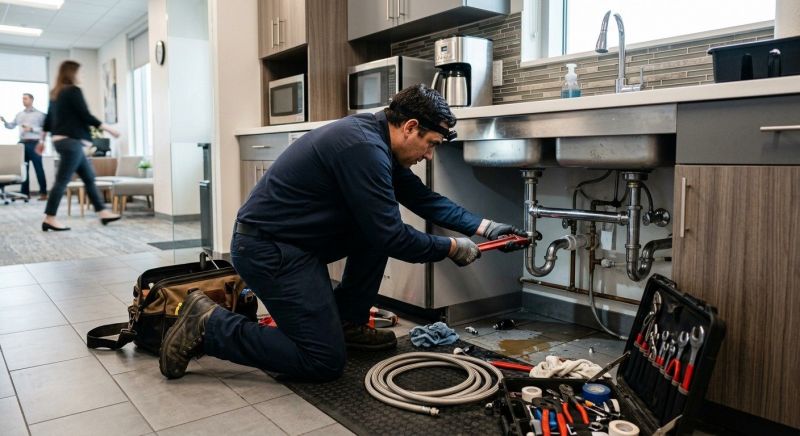
Leak Detection And Repair
Identifying and fixing leaks to prevent water damage and conserve resources.
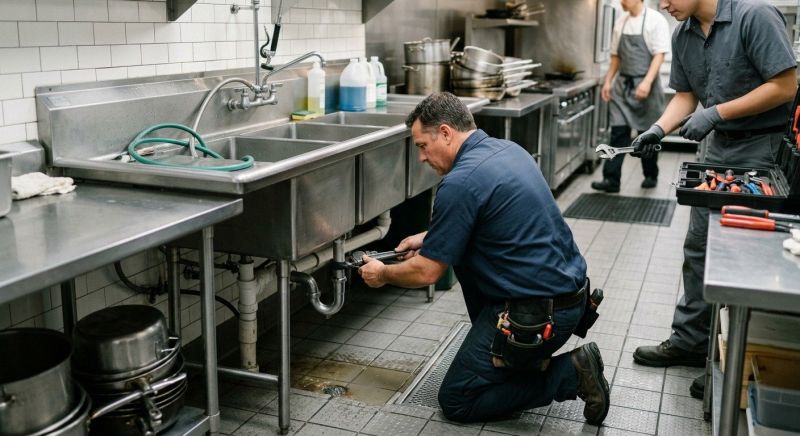
Drain Cleaning And Unclogging
Removing blockages to ensure smooth drainage in kitchen and bathroom fixtures.
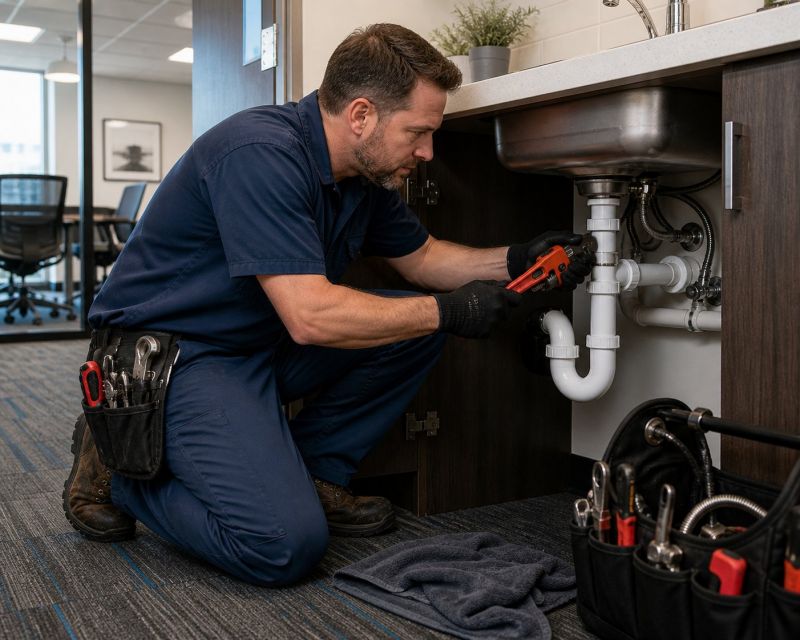
Fixture Installation And Replacement
Upgrading sinks, faucets, and dishwashers to improve functionality and efficiency.
Restaurant Plumbing in Denver, CO
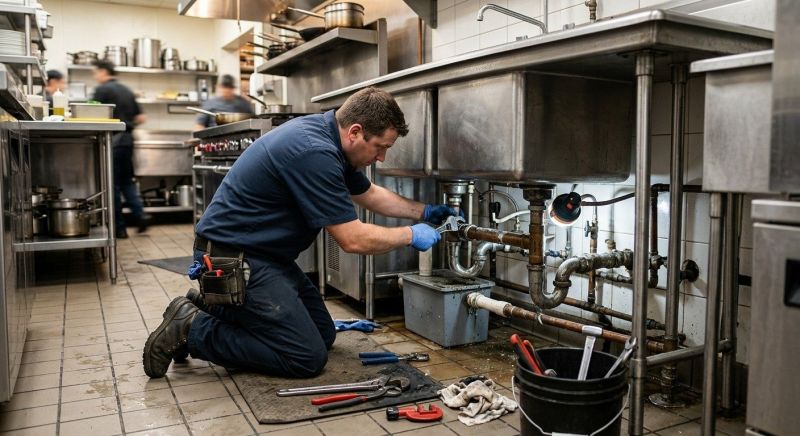
Restaurant plumbing services encompass a range of plumbing projects essential for maintaining proper function and hygiene in commercial dining spaces. These services typically include installation, repair, and maintenance of sinks, dishwashers, grease traps, water lines, and drainage systems. Property owners often request these services when upgrading existing plumbing, addressing leaks or clogs, or ensuring compliance with health and safety standards. Before requesting restaurant plumbing work, it’s helpful to understand the scope of the project, the condition of existing plumbing infrastructure, and any specific requirements related to food service operations.
Proper planning can help ensure smooth project execution and minimal disruption to daily operations. Property owners should consider the age and condition of current plumbing systems, identify specific fixtures or equipment needing attention, and clarify any local codes or health regulations that must be met. Clear communication about the intended use of the space and the types of appliances or fixtures involved can also facilitate a more efficient service process. Understanding these details can help ensure the plumbing work supports both the functionality and safety of the restaurant environment.
Many property owners in Denver, CO look into Restaurant Plumbing for repairs, replacements, upgrades, and appearance-related improvements.
Common Restaurant Plumbing Jobs
Drain repairs - fixing clogged or damaged drains to prevent backups and water damage.
Faucet installation - replacing or upgrading sinks and faucets for improved functionality and style.
Pipe replacement - upgrading old or corroded pipes to ensure reliable water flow.
Sewer line services - diagnosing and repairing sewer line issues to prevent backups and odors.
Fixture repairs - addressing leaks and malfunctions in sinks, toilets, and other plumbing fixtures.
Emergency plumbing - responding to urgent leaks or pipe bursts to minimize property damage.
Restaurant Plumbing Questions
What types of plumbing issues do restaurant kitchens commonly face? Common problems include clogged drains, leaking sinks, and faulty dishwashers that can disrupt operations.
How can restaurant plumbing problems affect business operations? Plumbing issues can lead to downtime, sanitation concerns, and increased maintenance costs if not addressed promptly.
What should property owners know about restaurant plumbing maintenance? Regular inspections and preventive maintenance help identify potential problems early and ensure compliance with health standards.
What are typical signs of plumbing trouble in a restaurant? Signs include slow drains, foul odors, water leaks, or inconsistent water pressure, indicating the need for professional inspection.
Request Restaurant Plumbing in Denver, CO
Use the quote form on this page to share the basics of your project and request more information for the type of work you need.